

Breeding for Fertile Eggs
At GroChick, we prioritize the production of high-quality, fertile eggs to support sustainable poultry farming. Understanding the breeding process and implementing best practices are essential for farmers aiming to achieve consistent and reliable results. This page will guide you through the fundamental steps and considerations in breeding chickens for fertile eggs.

Understanding Fertile Eggs
Fertile eggs are those that have been fertilized by a rooster, capable of developing into a chick when incubated. The success of hatching depends on various factors, including the health and compatibility of the breeding pair, the environment, and proper management practices. Ensuring high fertility rates and hatchability is crucial for a productive flock. Proper egg fertility management impacts both the immediate results and the long-term success of poultry operations.
Selecting the Right Breeding Stock
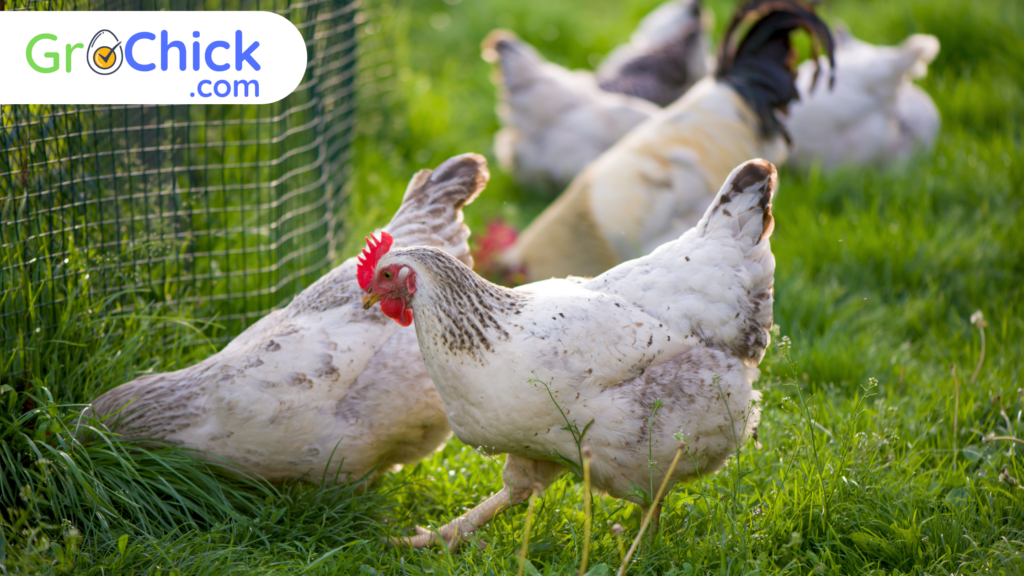
The first step in breeding for fertile eggs is selecting the right breeding stock. Choose chickens with desirable genetic traits such as strong immunity, good egg production, and robust body conformation. When selecting breeding pairs, prioritize the following:
- Healthy Birds: Both hens and roosters should be in excellent health, free from diseases and parasites.
- Balanced Nutrition: Ensure that the breeding flock receives a balanced diet enriched with proteins, vitamins, and minerals to promote fertility.
- Age Consideration: Hens and roosters should be at their peak reproductive age, typically between 7 to 24 months, for optimal fertility.
It is also beneficial to monitor the genetic diversity within the breeding stock to avoid issues such as inbreeding, which can lead to reduced fertility and weakened offspring. Farmers should consider rotating breeding roosters periodically to maintain robust genetic variation.

Creating the Ideal Breeding Environment
A conducive environment is key to successful breeding. Follow these guidelines to maximize fertility rates:
- Adequate Space: Provide sufficient space in the coop to prevent stress and aggressive behavior.
- Lighting: Maintain at least 14-16 hours of light per day to stimulate reproductive activity. Adequate lighting is particularly important in ensuring that hens continue laying eggs regularly.
- Temperature and Ventilation: Ensure the breeding area is well-ventilated and maintains a consistent temperature suitable for chickens. High humidity and poor air circulation can lead to respiratory issues and reduced egg viability.
- Hygiene: Keep the coop clean and dry to reduce the risk of infections and promote overall health.

Offering Breeding Flocks
GroChick offers farmers the opportunity to purchase breeding flocks to start or enhance their production of fertile eggs. The smallest available breeding flock consists of 100 hens and 10 roosters, providing an ideal ratio for efficient breeding and high fertility rates. These flocks are selected based on health, productivity, and genetic quality to ensure farmers achieve optimal results.
Feed Cost and Profitability
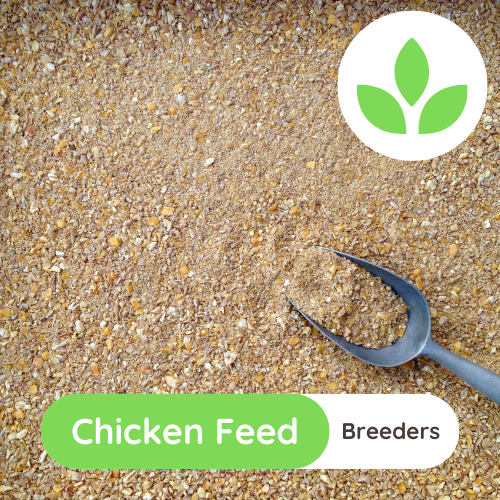
As of today, the feed cost per egg produced is approximately R0.96. To support farmers, this cost is subsidized by GroChick. Additionally, GroChick contracts to purchase all A-grade eggs at R2.54 per egg, providing farmers with a profit of R1.58 per egg. This financial support helps farmers maintain profitability and sustainability in their operations.
GroChick’s commitment to subsidizing feed costs ensures that farmers can focus on quality production without the burden of rising input expenses. This support, combined with competitive egg purchase prices, contributes to a robust business model that promotes growth and stability for poultry farmers.
Monitoring and Managing the Breeding Process
Proper management and observation are essential during the breeding period to ensure success:
- Ratio of Roosters to Hens: A standard ratio is one rooster for every 8-10 hens. Adjust this based on the specific breed and observed fertility rates.
- Observation: Regularly check for signs of mating activity and the condition of both hens and roosters. Roosters should be energetic and display good mating behaviors, while hens should show signs of receptivity.
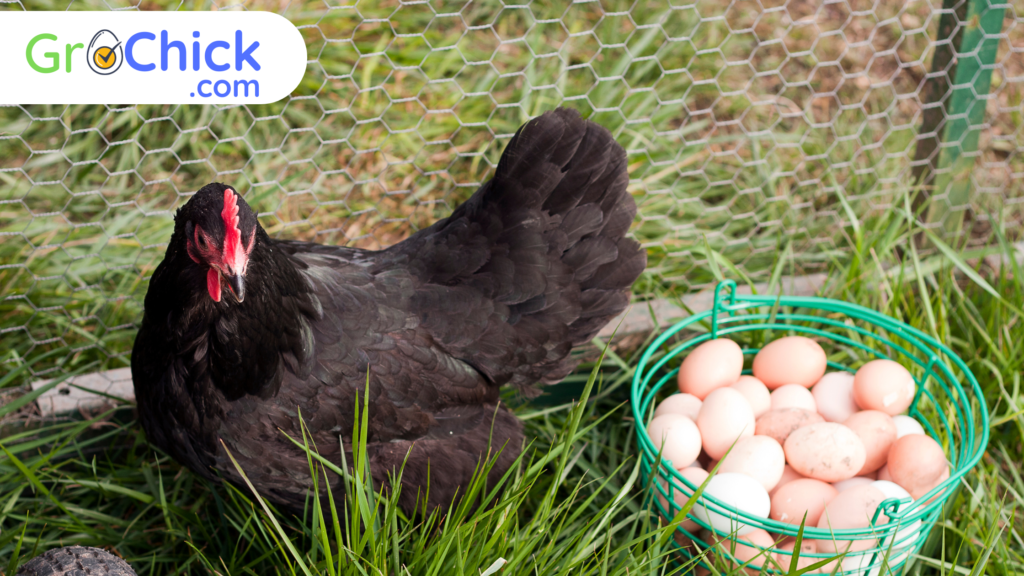
- Egg Collection: Collect fertile eggs daily and handle them with care to avoid damage. Store them in a cool place at around 55°F (13°C) and ensure they are positioned with the larger end facing up to maintain viability until incubation.
Ensuring Egg Viability
Handling and storing eggs correctly is crucial for successful hatching. Follow these best practices:
- Frequent Collection: Collect eggs multiple times daily to prevent prolonged exposure to fluctuating temperatures. Eggs left in the nest for too long may develop quality issues or get contaminated.
- Gentle Handling: Avoid shaking or dropping eggs, as this can damage the internal structures. Even small cracks can compromise the egg’s viability.
- Humidity Control: Maintain appropriate humidity levels to prevent eggs from drying out. Humidity levels should be kept steady to protect the inner membranes and maintain overall egg health.
Regularly monitor egg storage conditions to ensure optimal temperature and humidity. Proper storage conditions are paramount to maintaining high hatchability rates.
Common Challenges and Solutions
Breeding for fertile eggs comes with its share of challenges. Here are some common issues and tips to address them:
- Low Fertility Rates: Ensure proper nutrition, check the rooster-to-hen ratio, and make sure that the breeding pair is healthy and compatible.
- Infertile Eggs: Conduct regular candling to check fertility before committing to incubation. Candling can reveal whether an egg is developing correctly or if it is infertile.
- Eggshell Issues: Strengthen eggshell quality by providing sufficient calcium and minerals in the feed. Weak eggshells can lead to breakage and reduced hatching success.
- Stress Factors: Manage stressors such as sudden temperature changes, noise, and predator presence to prevent adverse effects on laying and fertility.
Conclusion
Breeding chickens for fertile eggs requires dedication, knowledge, and a focus on best practices. By selecting healthy breeding stock, creating the right environment, and maintaining vigilant management, farmers can achieve high-quality, fertile eggs that contribute to a sustainable and productive poultry operation. GroChick is here to support your journey with resources, expertise, and access to high-quality breeding stock to help maximize your farm’s potential.
If you’re ready to start breeding for fertile eggs or need assistance with your poultry farming, GroChick is your trusted partner. Contact us today to learn more about our breeding flocks and how we can help you achieve optimal results in your poultry farming venture.d assistance with your poultry farming, GroChick is your trusted partner.