
Understanding Egg Sizes in South Africa: A Guide for Farmers and Buyers
Eggs are a staple in kitchens worldwide, valued for their versatility, nutrition, and affordability. In South Africa, egg classification is essential for ensuring quality and consistency in the market. Farmers, retailers, and consumers alike rely on standardized egg sizes to meet diverse culinary and business needs. Whether you’re a poultry farmer aiming to optimize production or a buyer sourcing the perfect size for your business, understanding these classifications is key to success.
1. Egg Size Classifications in South Africa
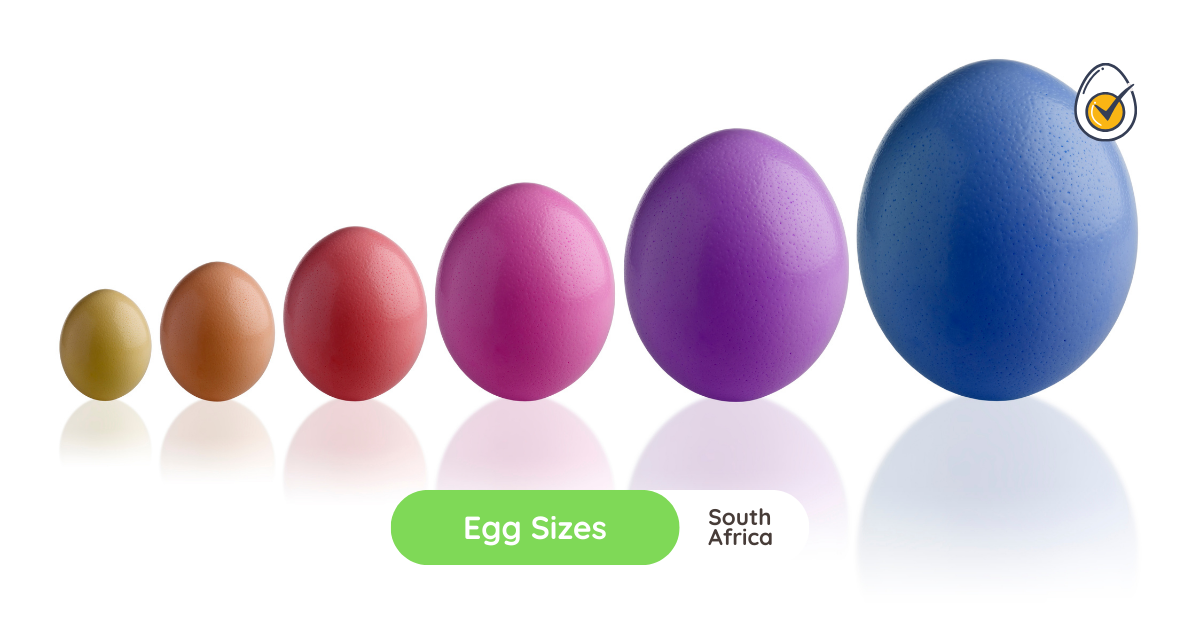
Eggs in South Africa are categorized into five sizes based on weight. Each consignment must be sorted according to these standards, ensuring quality control across the industry.
a) Super Jumbo
- Mass: At least 72 g per egg.
- Best For: Large-scale baking, catering businesses, and consumers seeking the most substantial, nutrient-dense eggs.
- Market Value: These premium eggs often fetch the highest prices due to their size and appeal.
b) Jumbo
- Mass: At least 66 g per egg.
- Best For: Restaurants and cafes prioritizing impressive presentation and portion sizes.
- Market Value: Popular in the foodservice industry, offering a balance between size and cost.
c) Extra Large
- Mass: At least 59 g per egg.
- Best For: Home cooks and professional kitchens needing versatile, standard-size eggs.
- Market Value: Ideal for general culinary use, striking a balance between affordability and quality.
d) Large
- Mass: At least 51 g per egg.
- Best For: Everyday cooking and baking, especially for recipes requiring standard-sized eggs.
- Market Value: A widely available and commonly purchased size.
e) Medium
- Mass: At least 43 g per egg.
- Best For: Cost-conscious buyers or smaller households.
- Market Value: The most economical choice for customers on a budget.
2. Why Egg Size Matters
Egg size significantly influences market demand, pricing, and usage. Each size serves specific purposes, making classification crucial for efficient marketing and purchasing.
For Farmers
- Pricing Strategy: Larger eggs command higher prices, maximizing revenue per unit sold.
- Production Focus: Understanding market demand allows farmers to optimize operations for the most profitable sizes.
- Quality Assurance: Proper grading enhances trust and repeat business from buyers.
For Retailers
- Customer Segmentation: Offering a variety of sizes meets diverse customer needs.
- Product Placement: Larger sizes appeal to premium markets, while smaller sizes attract budget-conscious consumers.
For Buyers
- Culinary Applications: Larger eggs suit baking and catering, while medium sizes work well for everyday cooking.
- Cost Efficiency: Buying the right size for specific uses minimizes waste and maximizes value.
3. Tips for Farmers to Optimize Egg Production
Farmers can enhance profitability and meet market standards by focusing on consistent egg production and proper grading.
a) Feed Management
- Provide hens with a balanced diet rich in protein, calcium, and essential nutrients to improve egg size and shell quality.
b) Breed Selection
- Select breeds known for producing the egg sizes in highest demand in your target market. For example, larger breeds like the ROSS 308 are ideal for producing Super Jumbo or Jumbo eggs.
c) Housing and Care
- Ensure adequate space, ventilation, and lighting to maintain the health and productivity of laying hens.
- Implement rotational grazing or enriched cage systems to promote hen welfare and egg quality.
d) Regular Audits
- Partner with organizations like GroSpace for farm audits to identify opportunities for improving production efficiency and meeting quality standards.
4. The Role of GroSpace in Supporting Farmers
At GroSpace, we understand the challenges of producing and marketing eggs in a competitive industry. That’s why we offer tailored solutions to help farmers succeed:
Farm Training
- Comprehensive training programs teach farmers best practices for managing hens and improving egg quality.
Market Access
- GroSpace connects farmers with buyers, ensuring a steady demand for their eggs and fair pricing through secure contracts.
Investment Opportunities
- Access funding to expand your farm, upgrade infrastructure, or enhance feed quality.
Packaging Solutions
- Get support with sorting, grading, and packaging eggs to meet buyer preferences and compliance requirements.
Sustainability Guidance
- Learn how to implement eco-friendly practices, such as reducing waste and conserving resources, while maintaining profitability.
5. Success Stories: Farmers Thriving with Proper Egg Grading
Farmer A in Johannesburg
After adopting GroSpace’s training and audit recommendations, this farmer improved the quality of their eggs, leading to a 30% increase in sales to local retailers and restaurants. By focusing on Jumbo and Extra Large sizes, they captured a premium market and increased revenue.
Farmer B in Durban
Through better feed management and housing upgrades, Farmer B doubled their output of Large and Medium eggs, meeting the needs of a cost-conscious market. With GroSpace’s market connections, they secured long-term contracts with local supermarkets.
6. Conclusion: Egg Size Standards Are Key to Success
Understanding South Africa’s egg size classifications is essential for farmers, retailers, and consumers. For farmers, producing eggs that meet market demands enhances profitability and reputation. For retailers and buyers, knowing these classifications ensures better product selection and customer satisfaction.
With GroSpace by your side, navigating the egg production industry becomes easier and more rewarding. From training and market access to sustainability and funding, we’re here to help you succeed.
Contact GroSpace today to learn how we can support your egg production and marketing efforts.